

Frequently Asked Questions
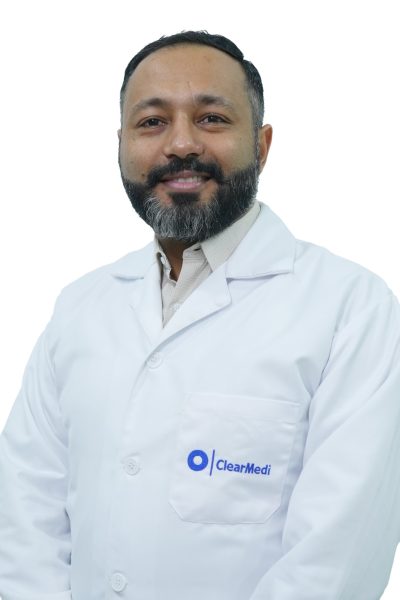
Our FAQ Section is designed to answer common questions patients may have about cancer surgeries, treatment options, recovery, and consultations with Dr. Rahul Sandhu. Whether you’re preparing for your first visit or seeking a second opinion, this section provides clear, helpful information to guide you.
Why should USA patients consider cancer surgery in India?
India offers world-class cancer treatment at significantly lower cost without compromising on quality. Patients benefit from highly experienced oncologists, advanced surgical technology, internationally accredited hospitals, and personalized care—often with shorter waiting times than in the USA.
Is cancer surgery in India safe for international patients?
Yes. Leading hospitals in India follow international treatment protocols, strict infection control standards, and advanced patient safety guidelines. Many cancer surgeons in India are trained or have worked in the USA, UK, or Europe.
Can I get an online consultation before traveling to India?
Yes. USA patients can get a free or paid online consultation via video call. You can share your medical reports, scans, and biopsy results for expert review and receive a personalized treatment plan and cost estimate before making travel decisions.
How long do I need to stay in India for cancer surgery?
The average stay is: 7–10 days for surgery and hospital recovery, 2–4 weeks total, including follow-up and initial healing, Exact duration depends on the type of surgery and individual recovery.
What happens after I return to the USA?
After returning home, patients can continue: Online follow-up consultations Report reviews Treatment guidance (chemotherapy/radiation planning if needed) Doctors remain connected through telemedicine to ensure continuity of care.
Can I come to India for a second opinion only?
Absolutely. Many USA patients seek a second opinion from Indian cancer specialists before deciding on surgery. This helps confirm diagnosis, explore organ-preserving options, or understand alternative treatment approaches.